
جدول المحتويات
Introduction
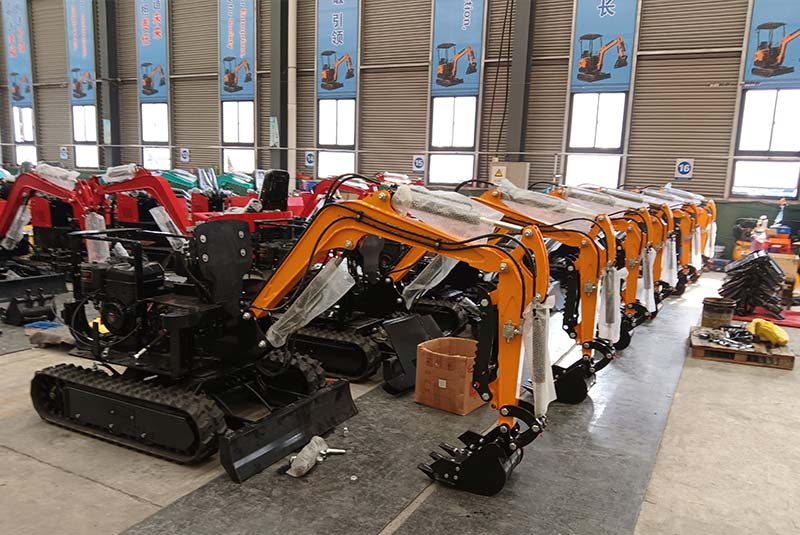
A mini excavator can look simple on a specification sheet: operating weight, engine output, digging depth, bucket capacity and a few overall dimensions. In practice, however, two machines with similar basic specifications can perform very differently once they reach a real jobsite.
For contractors, landscaping companies, farms, rental businesses and machinery distributors, the most useful buying process begins with the work the machine needs to perform. Access width, digging range, hydraulic performance, attachment compatibility, transport requirements and long-term service support can all affect whether a compact excavator becomes a productive machine or a poor fit for the application.
This mini excavator buying guide focuses on nine practical factors worth checking before selecting a machine. Instead of comparing specifications in isolation, each point explains how the specification affects real work.
1. Define the Main Job Before Comparing Machines
The first question should not be:
“What size excavator should I get?”
A better question is:
“What will this excavator do most often?”
A landscaping contractor may need to prepare planting areas, dig drainage trenches, remove soil and work through narrow garden entrances. A farm may use the machine for irrigation, ditch maintenance, fence preparation and orchard work. A construction contractor may place greater importance on trench depth, working reach and attachment use.
These applications place different demands on the machine.
Before comparing models, write down the three or four tasks that will account for most of the excavator’s working hours.
For example:
| Main Application | Important Factors |
|---|---|
| Residential landscaping | Narrow width, maneuverability, light surface impact |
| Utility trenching | Digging depth, reach, stability |
| Farm maintenance | Terrain capability, attachments, serviceability |
| Small construction | Productivity, digging force, bucket capacity |
| Rental fleet | Versatility, simple operation, maintenance access |
| Dealer inventory | Broad market fit, configurations, spare parts |
Once the main application is clear, many unnecessary models can be eliminated immediately.
Mingyang currently offers several mini excavator configurations covering compact machines for landscaping, agricultural work and construction applications, allowing buyers to compare different operating sizes according to actual working requirements.
2. Check Jobsite Access Before Digging Performance
Access is one of the most overlooked parts of mini excavator selection.
A machine may have excellent digging performance but still be unsuitable if it cannot pass through the entrance to the project.
This is particularly important for:
- Residential gardens
- Courtyards
- Orchards
- Greenhouses
- Renovation projects
- Narrow urban sites
- Areas between existing buildings
Measure the narrowest point along the entire access route, not just the final working area.
Check:
- Overall machine width
- عرض المسار
- ارتفاع الآلة
- Tail swing
- Turning space
- الخلوص الأرضي
If the machine must pass through a narrow gate before reaching a large open work area, access width can become more important than engine output.
Some compact excavators use adjustable undercarriages that allow the track width to narrow for access and expand again during operation. This type of design can be valuable when a machine must balance confined access with greater stability.
3. Compare Working Range, Not Just Digging Depth
Maximum digging depth is important, but it should not be evaluated alone.
A mini excavator works through a three-dimensional operating envelope. Maximum digging radius, dumping height, boom geometry and arm length all influence how efficiently it can complete a task.
Important working-range specifications include:
- أقصى عمق للحفر
- Maximum digging radius
- Maximum digging height
- Maximum dumping height
- Minimum swing radius
Imagine two excavators with similar digging depths.
One may provide greater forward reach, allowing the operator to excavate a longer section of trench without moving the machine. Another may have a greater dumping height, making it more convenient when loading material into a dumper.
The most useful working range therefore depends on the application.
For trenching, digging depth and forward reach are particularly important.
For landscaping, maneuverability and precise control may matter more.
For loading excavated material, dumping height becomes more relevant.
A machine should ideally have some capacity beyond the normal project requirement rather than operating continuously near its maximum reach.
4. Look Beyond Engine Power
Engine power is easy to compare, which is why it often receives too much attention during equipment selection.
Mini excavators depend heavily on hydraulics.
The engine provides power, but the hydraulic system transfers that power to the boom, arm, bucket, travel motors, swing system and hydraulic attachments.
This means buyers should consider the relationship between:
- Engine output
- Hydraulic pump
- Hydraulic pressure
- Hydraulic flow
- Control valves
- Cylinders
- Travel system
A machine with a larger engine does not automatically dig faster or operate attachments more effectively.
The hydraulic system must also be matched correctly to the working equipment.
This becomes particularly important when the excavator will use breakers, augers, grapples or other hydraulically powered attachments.
When comparing machines, ask whether the hydraulic system is designed around the attachments that will actually be used rather than simply comparing horsepower figures.
5. Match Bucket Capacity to the Work

Bucket capacity influences productivity, but larger is not always better.
A larger bucket can move more loose material during each cycle, which is useful for general excavation and site preparation. A narrower bucket, however, can be more suitable for drainage trenches, irrigation lines and utility work because it removes less unnecessary soil.
Common bucket applications include:
Standard digging bucket
Suitable for normal soil excavation and general construction work.
Narrow trenching bucket
Useful when creating drainage channels, cable trenches or irrigation lines.
دلو الدرجات
Better suited to leveling, finishing and landscaping work.
When comparing excavators, consider both standard bucket capacity and the range of optional bucket sizes that can be fitted.
For rental businesses and dealers, supporting multiple bucket sizes can also increase machine versatility because one excavator can serve several different applications.
6. Plan Attachments Before Choosing the Excavator
A mini excavator can perform far more than basic digging.
The general design of a compact excavator allows the machine to work with equipment such as buckets, breakers, grapples and augers, depending on hydraulic configuration and attachment compatibility.
Common mini excavator attachments include:
- Digging buckets
- Grading buckets
- Hydraulic breakers
- Augers
- Grapples
- Rippers
- Quick couplers
Buyers should decide which attachments are likely to be required before selecting the base machine.
A hydraulic breaker, for example, creates very different operating demands from a small trenching bucket.
An auger requires suitable hydraulic flow.
A large grapple adds weight to the end of the working equipment and affects machine balance.
Attachment selection therefore influences hydraulic requirements, excavator weight and stability.
Dealers and rental companies should pay particular attention to this point because attachment compatibility can determine how many customer applications one machine can support.
7. Consider the Undercarriage and Ground Conditions
Tracks are a defining feature of many compact excavators, but not all undercarriages behave the same way.
Jobsite conditions can include:
- Hard compacted soil
- Loose earth
- Mud
- الحصى
- Turf
- Slopes
- Construction debris
Track width, ground-contact length and overall machine weight influence how the excavator interacts with these surfaces.
A smaller machine can reduce ground disturbance in sensitive landscaping areas, while additional machine weight can provide more stability during heavier excavation.
Track material is another consideration.
Rubber tracks are commonly used where surface protection and lower vibration are important. Other operating environments may place greater emphasis on durability and traction.
There is no universally correct undercarriage specification.
The better approach is to match the machine to the ground conditions it will experience most frequently.
8. Check Transport Requirements Before Final Selection
Compact dimensions are one of the main reasons buyers choose mini excavators, but transportation should still be checked carefully.
The total transport load includes more than the excavator itself.
It can also include:
- Buckets
- Hydraulic breaker
- اوجير
- Spare attachments
- Fuel
- Tie-down equipment
- Trailer weight
Before selecting a machine, confirm the capacity of the intended trailer and towing vehicle and review applicable local transportation requirements.
Machine dimensions also matter.
Check:
- Transport length
- Transport width
- Transport height
- الوزن التشغيلي
A larger mini excavator may complete excavation more quickly, but it can also require a different trailer or transport vehicle.
For businesses moving machinery between projects several times each week, transportation efficiency can strongly influence the usefulness of the machine.
Rental companies should consider this especially carefully because customers may use different towing vehicles and trailers.
9. Evaluate Maintenance and After-Sales Support
Excavator specifications help determine what the machine can do.
Service support helps determine how consistently it can continue doing it.
Routine maintenance is unavoidable with construction machinery, so serviceability should be evaluated during the selection process rather than after the machine has already entered operation.
Important points include:
- Engine access
- Hydraulic service points
- Filter replacement
- Greasing points
- Track adjustment
- Hose inspection
- Spare-parts availability
- Technical documentation
This becomes particularly important for importers, dealers and rental businesses that depend on equipment availability.
Mingyang’s construction machinery after-sales service covers areas including equipment selection, spare-parts support, operation guidance and maintenance communication for international machinery users.
For B2B buyers, after-sales support should be treated as part of the equipment specification because slow access to replacement components can increase downtime even when the machine itself is mechanically reliable.
Do Not Ignore Operator Safety
A mini excavator’s compact size does not eliminate normal excavation hazards.
Construction work may involve underground utilities, unstable soil, nearby workers, slopes, buildings and open trenches.
Trenching requires particular attention.
The U.S. Occupational Safety and Health Administration provides detailed trenching and excavation safety guidance, including information on cave-in hazards, safe access, protective systems, soil conditions and inspections.
OSHA identifies cave-ins as one of the major hazards associated with trenching and emphasizes proper planning and protection before workers enter an excavation.
Equipment selection is only one part of safe operation. Buyers should also consider:
- Operator training
- Visibility
- Machine stability
- Site conditions
- Nearby structures
- Underground services
- Safe working distances
Local safety laws and equipment requirements can differ between countries, so operators and employers should always follow the rules applicable to the actual jobsite.
A Practical Mini Excavator Comparison Checklist
When several machines appear similar, use a consistent comparison table rather than switching between unrelated specifications.
| Factor | What to Check | لماذا يهم |
|---|---|---|
| الوزن التشغيلي | Total machine weight | Stability and transportation |
| العرض الكلي | Widest machine dimension | Jobsite access |
| Digging depth | Maximum working depth | Trenching capability |
| Working radius | Maximum reach | Excavation efficiency |
| Dumping height | Material discharge height | Loading capability |
| سعة الدلو | Standard bucket size | Cycle productivity |
| محرك | Power and configuration | Overall power source |
| Hydraulics | Flow and compatibility | Working response and attachments |
| المسارات | Width and construction | Ground conditions |
| Attachments | Compatible tools | Machine versatility |
| Transport dimensions | Length, width and height | Trailer planning |
| Maintenance | Service access | Long-term usability |
| Spare parts | Parts support | Downtime control |
Using the same criteria across every machine makes the final decision easier and reduces the chance of choosing a model simply because one specification appears impressive.
Different Buyers Should Prioritize Different Factors

Not every buyer should evaluate a mini excavator in exactly the same way.
Contractors
Contractors normally need reliable productivity and sufficient capacity for repeated work.
Important factors include digging range, hydraulic performance, attachment compatibility and transportability.
Landscapers
Landscapers usually place greater emphasis on narrow access, surface conditions, machine width and precise operation.
A smaller excavator can often be more useful than a larger machine if most projects take place in residential gardens.
Agricultural Users
Farmers may need a machine capable of handling several different tasks throughout the year.
Attachment versatility, terrain capability and simple maintenance can therefore become important.
Rental Companies
Rental businesses need equipment that works across a broad customer base.
Ease of operation, common attachments, durability and maintenance access are particularly relevant.
Dealers and Distributors
Dealers must consider the requirements of an entire target market rather than one jobsite.
Machine size, engine options, attachment packages, configuration flexibility and long-term spare-parts support can all influence marketability.
Questions Dealers Should Ask a Manufacturer
International distributors should evaluate the supplier as carefully as the excavator.
Useful questions include:
- What mini excavator sizes are available?
- Which engine configurations can be selected?
- What attachments are compatible?
- Are machine colors and branding customizable?
- How is equipment inspected before shipment?
- Which spare parts are normally supplied?
- What technical documents are available?
- What after-sales support is provided?
- Can configurations be adapted for different markets?
These questions help determine whether a manufacturer can support a long-term equipment program rather than only provide an individual machine.
For buyers comparing multiple operating sizes, Mingyang’s مجموعة حفارات صغيرة provides compact models intended for applications including landscaping, farming and construction.
Common Mini Excavator Buying Mistakes
One of the most common mistakes is selecting a machine entirely by operating weight.
Two machines in the same weight class can differ in dimensions, digging range, hydraulics and attachment capability.
Another mistake is choosing the smallest machine without considering daily workload. Compact dimensions are valuable, but insufficient digging capacity can reduce productivity.
The reverse is also true. Selecting a much larger machine than necessary can make transportation and access more difficult.
Buyers also frequently leave attachment planning until after the machine has been selected. If hydraulic requirements are not checked in advance, some attachments may not operate as expected.
Finally, long-term serviceability should not be ignored. Machinery intended for commercial use needs routine maintenance and replacement parts throughout its working life.
Quick Decision Guide
If narrow access is the main challenge, prioritize:
- عرض الآلة
- Adjustable tracks
- Tail swing
- Transport dimensions
If excavation productivity is the main challenge, prioritize:
- Digging depth
- Digging radius
- سعة الدلو
- Hydraulic performance
If multiple tasks are required, prioritize:
- Attachment compatibility
- Auxiliary hydraulics
- Quick coupler options
- Machine stability
If the machine will move between projects frequently, prioritize:
- الوزن التشغيلي
- Transport width
- Trailer compatibility
- Loading convenience
If the machine is intended for a rental fleet or dealership, prioritize:
- Broad application range
- Simple maintenance
- Attachment options
- Spare-parts support
- Configuration flexibility
خاتمة
A good mini excavator buying decision comes from matching the complete machine to the real application rather than selecting equipment from one attractive specification.
Start with jobsite access and the type of work the excavator will perform most often. Then compare digging range, bucket capacity, hydraulic capability, attachments, ground conditions and transportation requirements.
Finally, evaluate maintenance and long-term support.
For a landscaper, compact dimensions may be the deciding factor. For a contractor, digging range and productivity may matter more. For rental companies and machinery dealers, versatility and service support become increasingly important.
The most suitable mini excavator is therefore not necessarily the smallest, largest or most powerful model. It is the machine that completes the expected work efficiently without creating unnecessary limitations elsewhere.
الأسئلة المتداولة
What should I check first when choosing a mini excavator?
Start with the application and jobsite access. Determine the main tasks, required digging depth and narrowest entrance before comparing engine or hydraulic specifications.
What size mini excavator is best for small construction work?
The appropriate size depends on digging depth, material, access and required attachments. Smaller machines work well in restricted areas, while larger compact excavators generally provide additional stability and working range.
Is engine power the most important mini excavator specification?
No. Engine output is important, but hydraulic performance, digging geometry, machine weight and attachment compatibility all influence real operating performance.
Which mini excavator attachments are most useful?
Common options include digging buckets, grading buckets, hydraulic breakers, augers, grapples and rippers. The best combination depends on the intended applications.
Why does excavator width matter?
Overall width determines whether the machine can pass through gates, paths and other restricted access points. This can make width more important than digging capacity on some projects.
What should dealers check before selecting mini excavators?
Dealers should evaluate model range, configurations, attachment compatibility, maintenance requirements, spare-parts support and whether the machines match typical applications in their target market.